Guide · LED walls · Budget
How much does a church LED wall cost?
Less than many churches fear for a small room. What decides the number, from our own projects in Southern California.
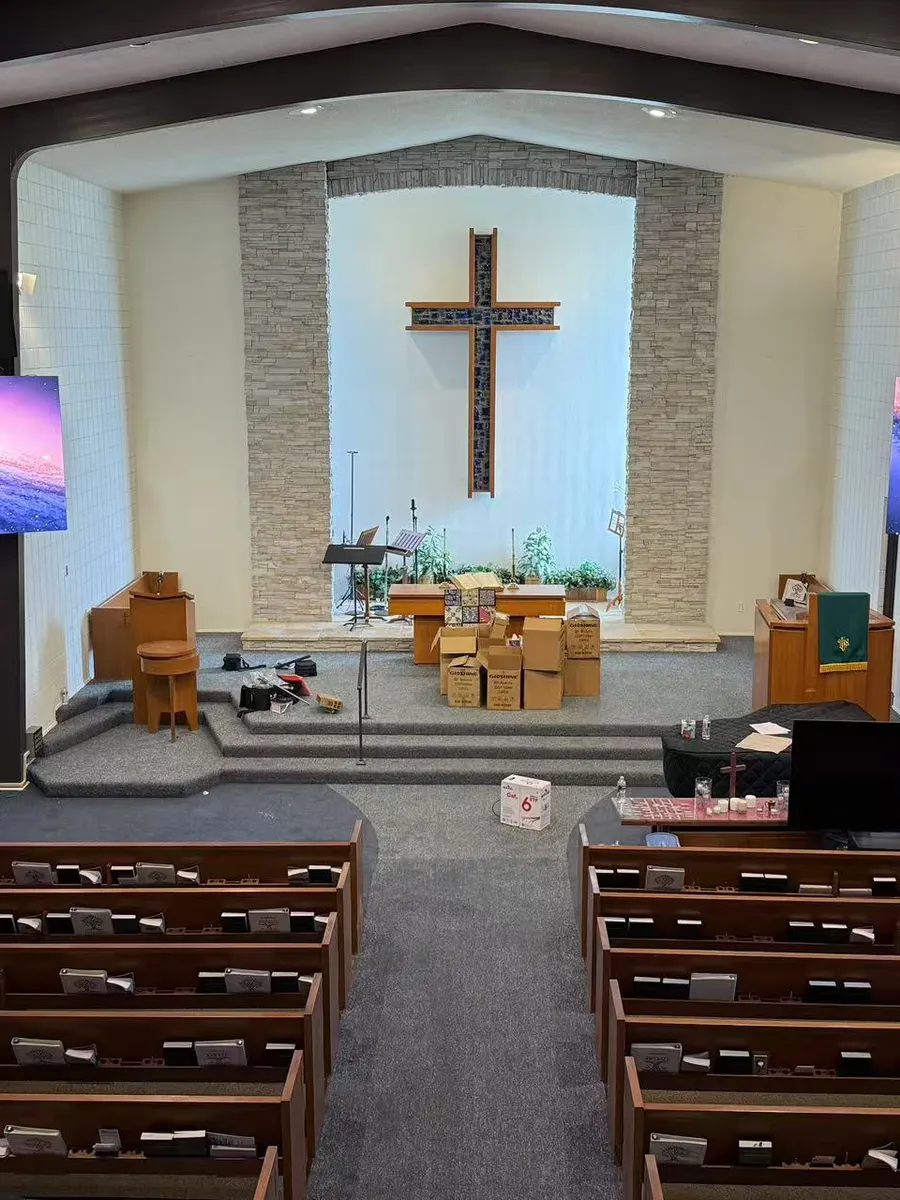
Across PixelPro Productions’ church projects in Southern California, an LED wall has cost from under $20,000 to about $140,000, installed and commissioned. Where a project lands in that range comes down to the size of the wall in cabinets, the structure that carries it, the power it needs, the processor, and how much of the room’s sound, lighting and cameras goes into the same contract. At Live Oak United Church of Christ in Brea, two 12-cabinet P2.5 screens, a timber structure angled at the pews, the power work and moving the existing speakers came in under $30,000 in 2024.
What moves the price
The cabinets are only part of it. In our projects, six things decided where a church landed in that range:
- Size, counted in cabinets. Our church walls all use P2.5 cabinets of 640 × 480 mm: two screens of 12 at Live Oak, two of 42 at a church in Irvine, 72 in downtown Los Angeles, 98 at Remnant Ministries and 144 at Good Stewards.
- Pixel pitch. All of them are P2.5, fine enough for the front rows to read lyrics. A finer pitch costs more per cabinet.
- The structure. Timber at Live Oak, steel brackets to a concrete wall in Irvine, a free-standing frame at Remnant, an aluminium frame on the slab at Good Stewards. The least expensive is the one the building already allows.
- Power. An LED wall needs its own circuits; at Live Oak the power work was part of the budget.
- The processor. A smaller line than most people expect: the NovaStar models in our church walls are published from $1,291 (VX400), and one VX1000 ($2,067) drives both Irvine screens.
- The rest of the room. Sound, lighting and cameras move the total more than anything above. In downtown Los Angeles one contract covered the LED wall, line-array sound, eight lights and a four-camera livestream.
1. Under $30,000 for everything: Live Oak UCC, Brea
Live Oak’s side walls run at an angle to the pews and the budget was fixed, so the screens are small: two Gloshine P2.5 screens of 4 × 3 cabinets, about 8.4 × 4.7 ft each, on one NovaStar VX400.
We built a timber structure angled toward the seating, wrapped it in drywall and painted it, reworked the power and moved the church’s existing speakers rather than replacing them. Screens, structure, finishes, power and sound came in under $30,000 in 2024.
2. Using what the building already has: a church in Irvine
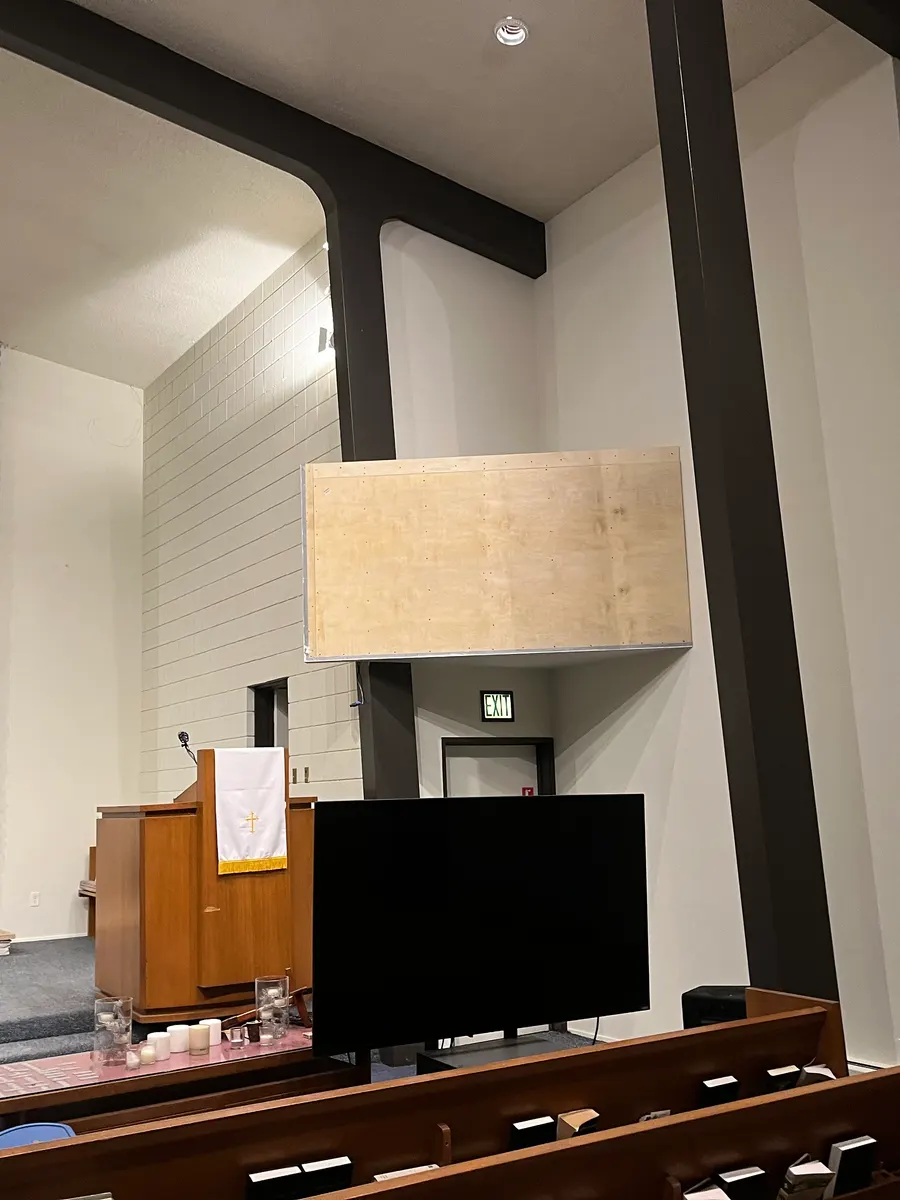
The church wanted its two projector screens replaced. Each new screen is 7 × 6 P2.5 cabinets, 4.48 × 2.88 m, sized to fit the existing 4:3 surrounds, so the room did not need new framing around them.
The drywall bulkheads could not carry an 800 lb screen, so custom steel brackets go through them to the concrete wall behind. One NovaStar VX1000 drives both screens, which keeps them in step and means one processor instead of two.
3. The whole room in one contract: downtown Los Angeles
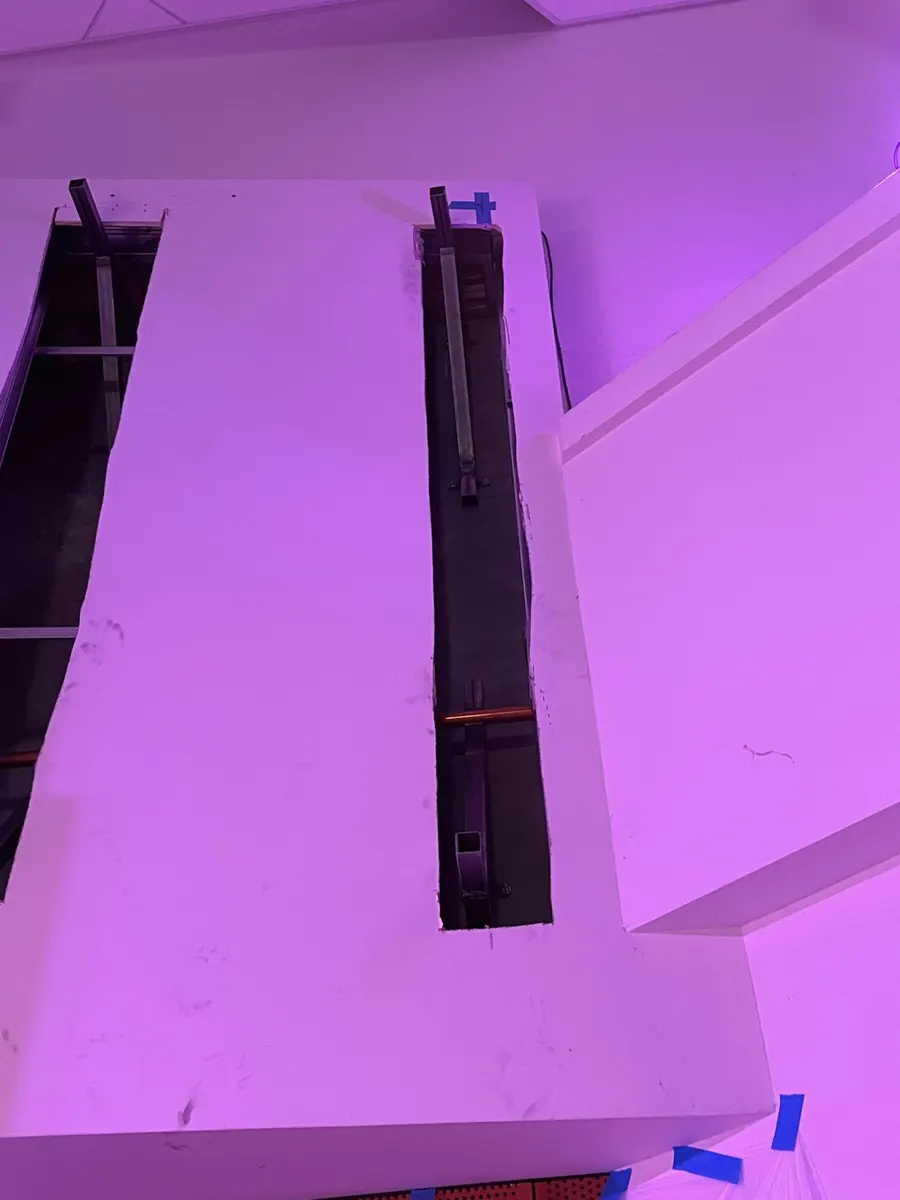
A Korean church in downtown Los Angeles asked for everything at once during a renovation: a 72-cabinet P2.5 wall, 7.68 × 2.88 m, on a NovaStar MX30, four RCF line-array speakers, eight front lights and a four-camera YouTube livestream.
Putting every system into one contract means one plan for structure, power and cabling, but it is the main reason a project moves up the range: the screen is only one of four systems in the room.
Four church walls, smallest to largest
- 2 screens × 12 cabinets, timber structure: power, existing speakers moved; under $30,000 in total (Live Oak UCC, Brea)
- 2 screens × 42 cabinets, steel brackets: one processor for both screens (A church in Irvine)
- 72 cabinets above a baptistery door: sound, eight lights, four-camera livestream (A church in downtown Los Angeles)
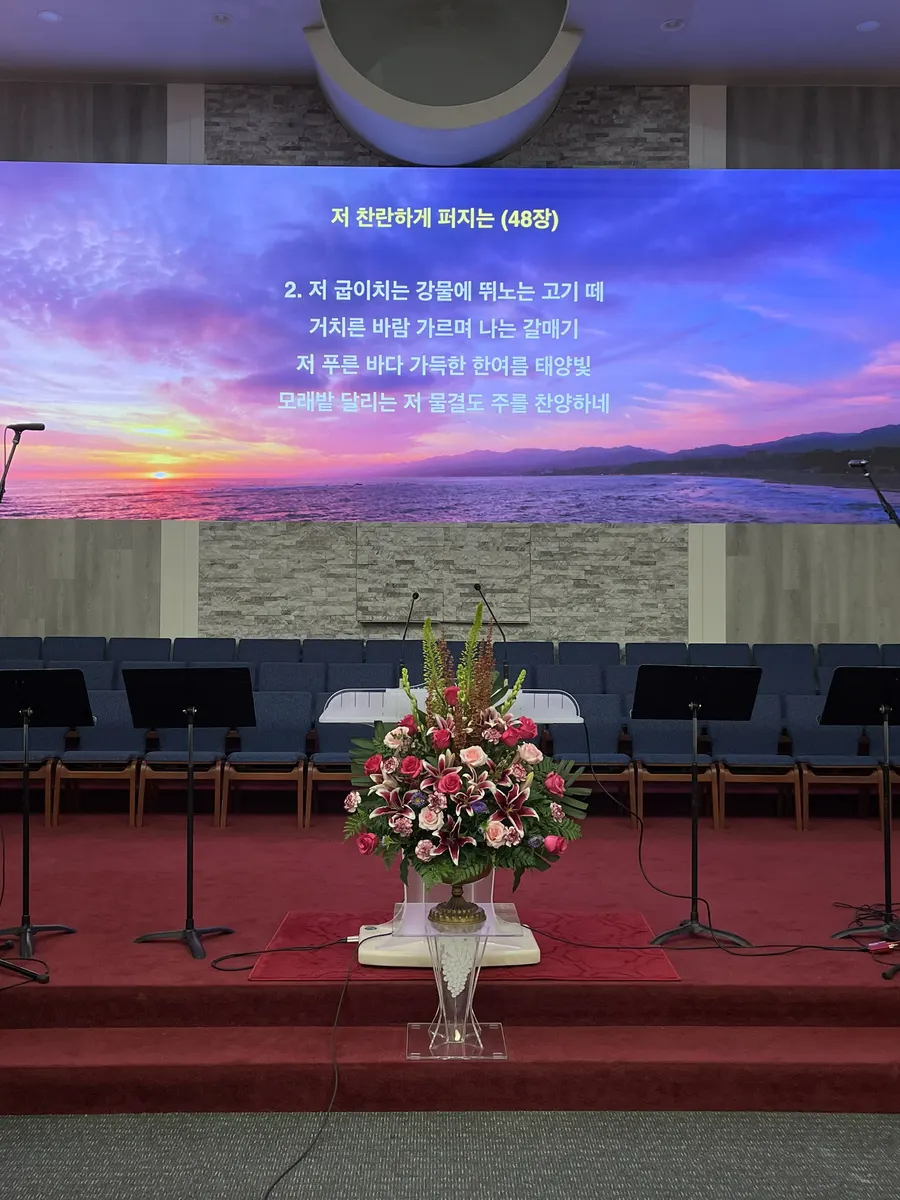
- 144 cabinets, 38 × 13 ft, frame on the slab: video system, training (Good Stewards, West Covina)
How to keep the number down
Size the screens to the room, not to the wall. Use what the building already gives you: in Irvine the screens fit the old projector surrounds and the load went to the concrete wall already there. Keep what still works: Live Oak kept its speakers and we moved them.
Plan phase two now. A processor sized for the larger wall later costs less than a second processor and the work to synchronise the two.
To give you a budget range we need the seat count, the stage width, photos of the wall and the electrical panel, and whether sound, lighting or cameras are part of it.
Planning a wall for your own sanctuary? PixelBid, our free planner, sizes it from your seats and stage and gives an installed budget in a minute. Estimate your church's LED wall →
Questions about church LED budgets
How much does a church LED wall cost in Southern California?
Across PixelPro Productions’ church projects, from under $20,000 to about $140,000, installed and commissioned. The size of the wall in cabinets, the structure, the power and whether sound, lighting and cameras are included decide where a project lands.
Can a small church do an LED upgrade for under $30,000?
Yes. At Live Oak United Church of Christ in Brea, two 12-cabinet P2.5 screens, a timber structure, the power work and moving the existing speakers came in under $30,000 in 2024.
How much of the budget is the LED processor?
Less than most people expect. The NovaStar processors in our church walls are published at $1,291 (VX400), $2,067 (VX1000) and $2,584 (MX30). The cabinets, the structure and the work are the larger part.